Atlas Robotics expands warehouse automation ambitions
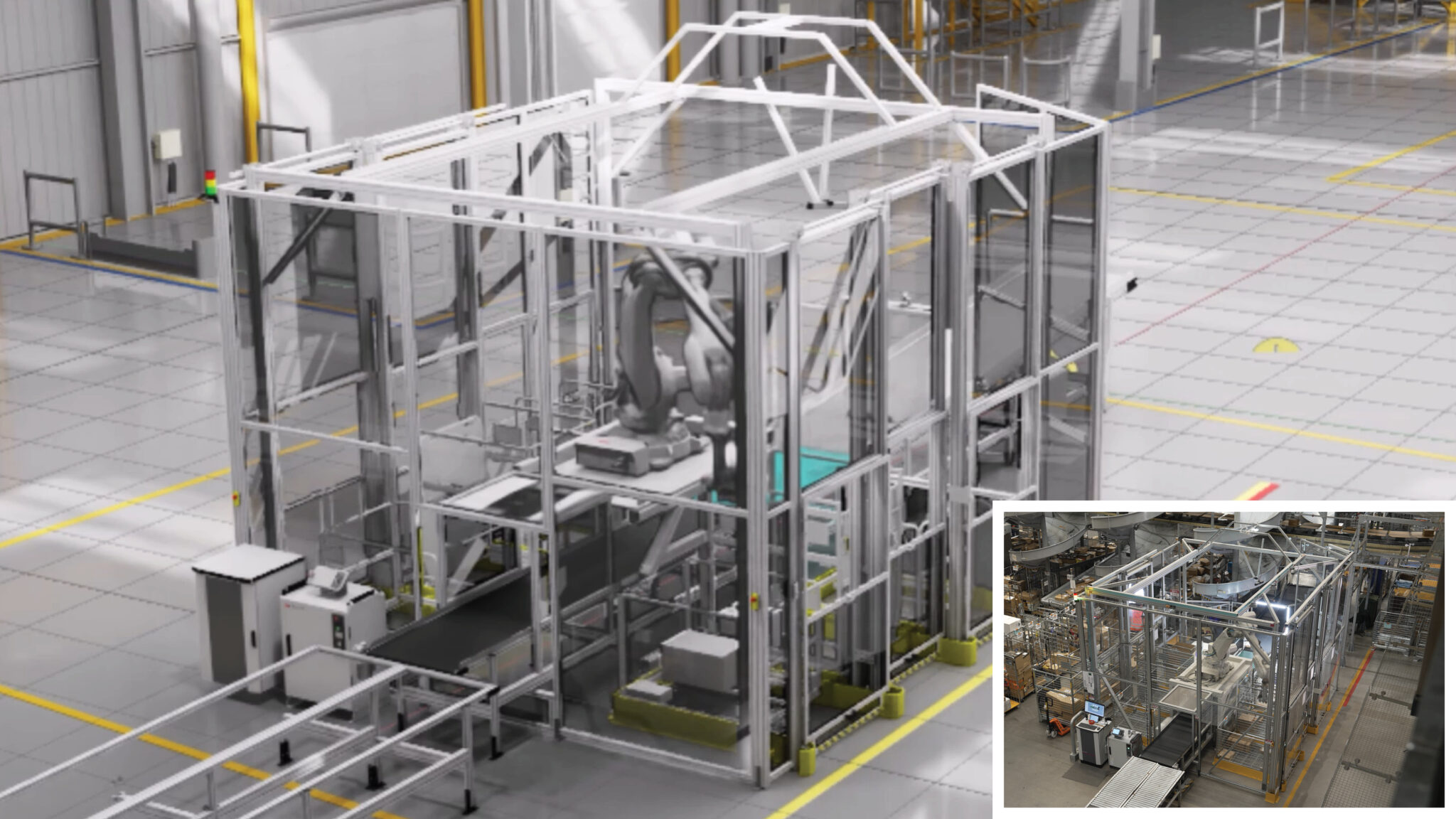
US warehouse automation company Atlas Robotics is continuing to position itself as a specialist in industrial automation, focusing on repetitive logistics tasks such as case handling, pallet movement and warehouse material flow.
Sofia Lindqvist — Senior Reporter, Robotics

Rather than pursuing a general-purpose humanoid capable of performing a wide variety of jobs, the company has concentrated on solving specific industrial challenges where automation can be deployed more quickly and deliver measurable operational benefits.
Atlas Robotics promotes a robots-as-a-service (RaaS) model, allowing manufacturers and logistics operators to introduce automation without the upfront capital investment typically associated with large robotic installations. The approach reflects a broader trend across the robotics sector, where subscription-based deployment is becoming increasingly common.
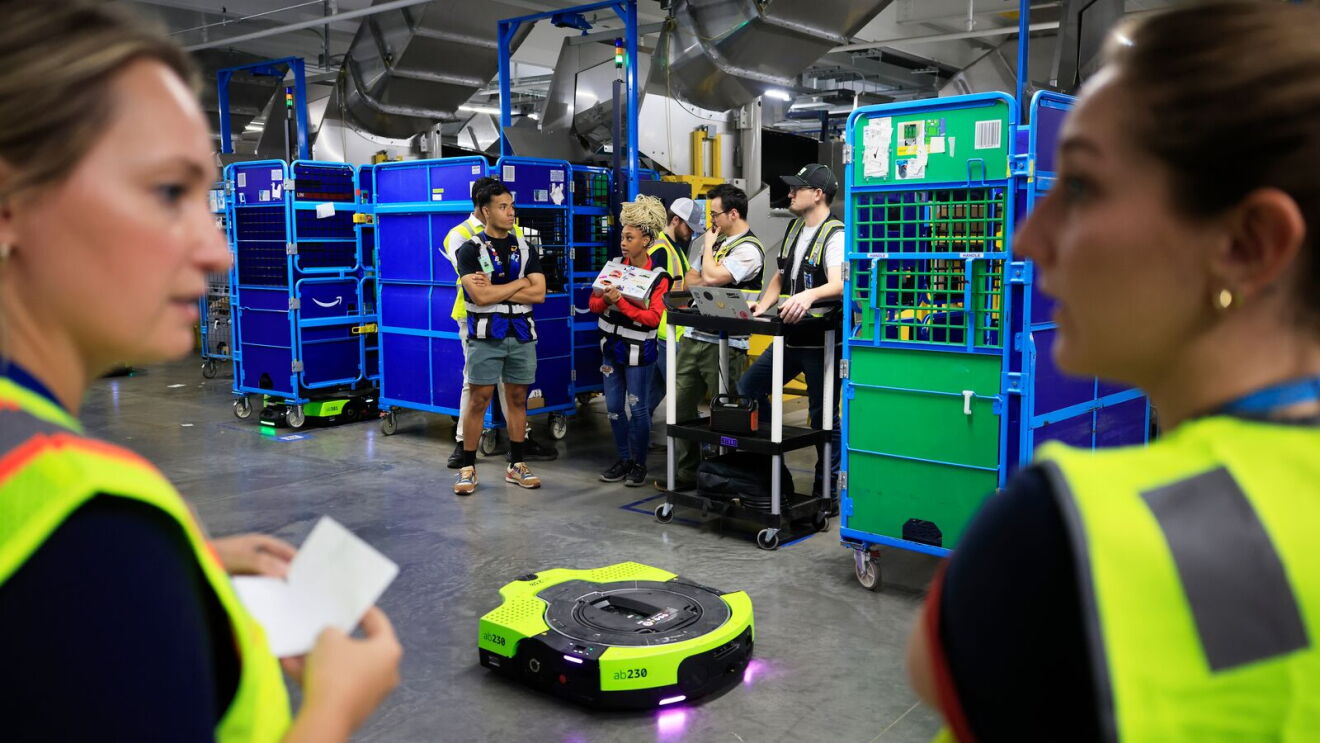
The company says it is working with major industrial customers to develop and refine its systems in real-world warehouse environments. While few operational details have been made public, these deployments illustrate the growing demand for automation capable of addressing labour shortages, improving consistency and extending operating hours.
Specialisation over general intelligence
As investment continues to pour into humanoid robotics, many developers are attempting to build machines capable of performing a broad range of human tasks. Atlas Robotics has instead adopted a more focused strategy, targeting workflows that can be standardised and integrated into existing warehouse operations.
For manufacturers and logistics providers, this narrow approach may prove commercially attractive. Systems designed for a limited set of repetitive tasks are generally easier to deploy, simpler to validate and can often demonstrate a clearer return on investment than more ambitious general-purpose platforms.
The commercial challenge
The wider humanoid robotics market continues to attract significant investor interest, but commercial success will ultimately depend less on impressive demonstrations and more on reliable operation at scale.
Customers will be looking for high uptime, predictable maintenance requirements and a compelling economic case compared with existing automation and human labour. As more warehouse robotics companies move from pilot projects into day-to-day production environments, these metrics are likely to become the defining measure of success.
For now, Atlas Robotics represents another example of a growing number of companies choosing practical industrial applications over headline-grab
Cite this article
Sofia Lindqvist. "Atlas Robotics expands warehouse automation ambitions." Autonomous Systems Review, 29 Jul 2026. https://autonomoussystemsreview.com/articles/atlas-humanoid-series-c.